Swedish Lapland
Sweden's far north: Kiruna, Abisko National Park, the Kungsleden trail, Sámi culture and a wilderness of enormous scale.
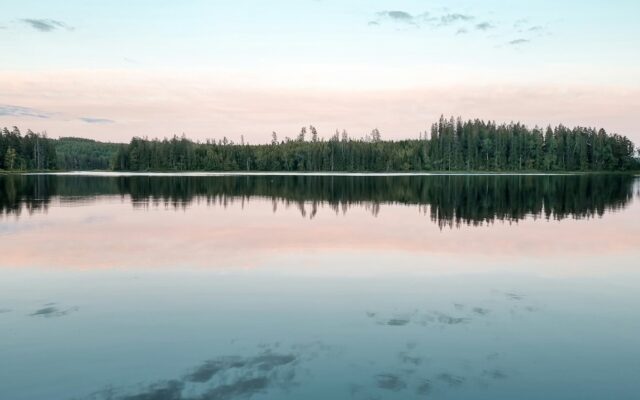
Swedish Lapland covers the north of the country, an area the size of entire countries with only a few inhabitants. Here you will find Sweden’s highest mountains, its largest national parks and the homeland of the Sámi, the indigenous people of northern Europe. In summer the sun never sets; in winter the northern lights dance above the snow.
Kiruna: the town that is moving
Kiruna is Sweden’s northernmost town and owes its existence to iron ore. Beneath the town lies one of the largest underground iron ore mines in the world. Because mining is causing the ground to subside, the town centre has been relocated piece by piece, several kilometres away, over the past few years. The well-known red wooden church was moved in one piece as part of this. Guided tours of the visitor mine show how work is carried out deep underground.
In the nearby village of Jukkasjärvi stands the Icehotel, which is rebuilt every winter from the ice of the Torne River (Torneälven).
Abisko and the Kungsleden
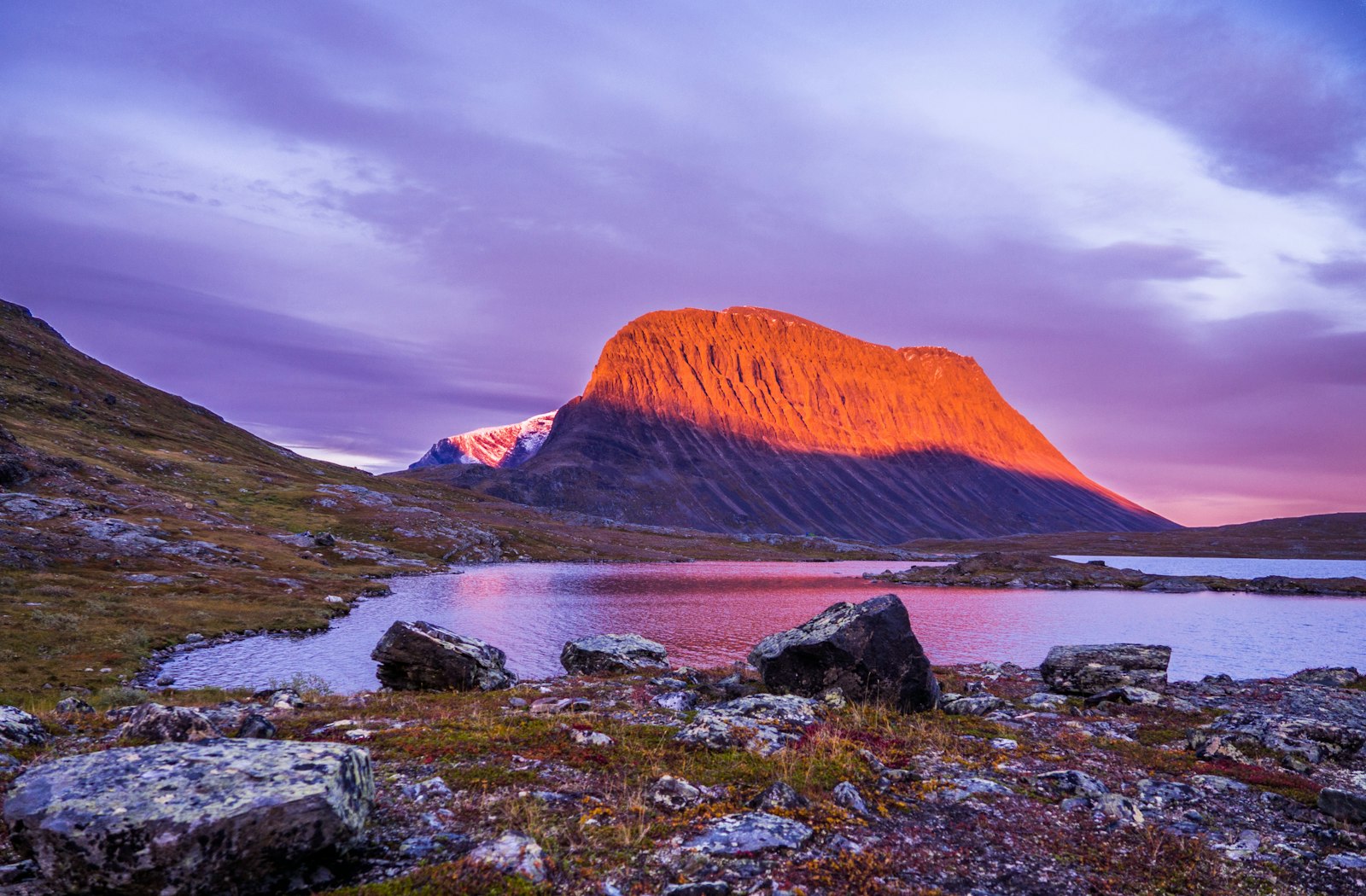
Abisko National Park lies about 100 kilometres north-west of Kiruna on Lake Torneträsk. It is known for its dry climate, the Abiskojåkka gorge and the distinctive Lapporten valley. This is where the Kungsleden, the King’s Trail, begins: Sweden’s most famous long-distance hiking route. It runs around 440 kilometres south to Hemavan. Most hikers only walk the northernmost section to Nikkaluokta, which can be done in about a week and passes Kebnekaise, the country’s highest mountain.
Laponia: World Heritage in the wilderness
The Laponia area is a UNESCO World Heritage Site, both for its nature and for Sámi culture. It includes the national parks of Sarek, Padjelanta, Stora Sjöfallet and Muddus, among others. Sarek is regarded as one of the last true wilderness areas in Europe: without marked trails or huts, and suitable only for experienced mountain hikers.
The Sámi
The Sámi have lived in the north of Scandinavia for thousands of years. Reindeer herding still shapes their culture today, even though only some Sámi make their living from it. In Jokkmokk, the Ájtte museum provides information on Sámi history and everyday life. The Jokkmokk Winter Market has been held every year in early February for more than 400 years and is the most important gathering of Sámi culture in Sweden.
Treat reindeer with respect: keep your distance, drive slowly and keep dogs on a lead.
Activities by season
- Summer: hiking, fishing, paddling and the midnight sun.
- Autumn: glowing colours in the fells and the first northern lights in September.
- Winter: dog sledding, snowmobiling, ski touring and northern lights.
- Spring: skiing in Riksgränsen until May.
Getting there and distances
By car, Kiruna is more than 1,200 kilometres from Stockholm. Most visitors therefore fly via Stockholm to Kiruna or Luleå, or take the night train, which runs to Abisko and on to Narvik in Norway. Once there, distances are long and places are small, so plan fuel stops and shopping in advance.
Tips for trips all over the country can be found on the page Hiking in Sweden.