Food and Drink in Sweden
Meatballs, herring, cinnamon buns and more: Swedish cuisine, typical dishes, meal times and practical tips for restaurants and supermarkets.
Swedish cuisine is down-to-earth and shaped by nature: fish from the sea and lakes, potatoes, game, and mushrooms and berries from the forest. Add to that a deep love of coffee and pastries. In recent years the cities have also developed a modern Nordic cuisine that reinterprets regional ingredients.
Home cooking: the classics
Traditional everyday food is called husmanskost. Among the best-known dishes are:
- Köttbullar: meatballs with mashed potatoes, cream sauce, lingonberries and pickled cucumber.
- Pytt i panna: diced potatoes, meat and onions fried in a pan, served with a fried egg and beetroot.
- Janssons frestelse: a potato bake with pickled sprats, onions and cream.
- Raggmunk: potato pancakes with fried bacon and lingonberries.
- Ärtsoppa och pannkakor: pea soup followed by pancakes, traditionally eaten on Thursdays.
- Kåldolmar: cabbage rolls, a legacy of the era of King Charles XII.
Fish and seafood
- Sill: pickled herring in many varieties, essential at Midsummer, Easter and Christmas.
- Gravad lax: raw salmon cured with salt, sugar and dill, served with a sweet mustard sauce.
- Räksmörgås: a generously topped shrimp sandwich with egg and mayonnaise.
- Kräftor: crayfish, eaten in August at crayfish parties.
- Surströmming: fermented Baltic herring with a very pungent smell, a speciality from northern Sweden that is opened outdoors.
Bread, pastries and sweets
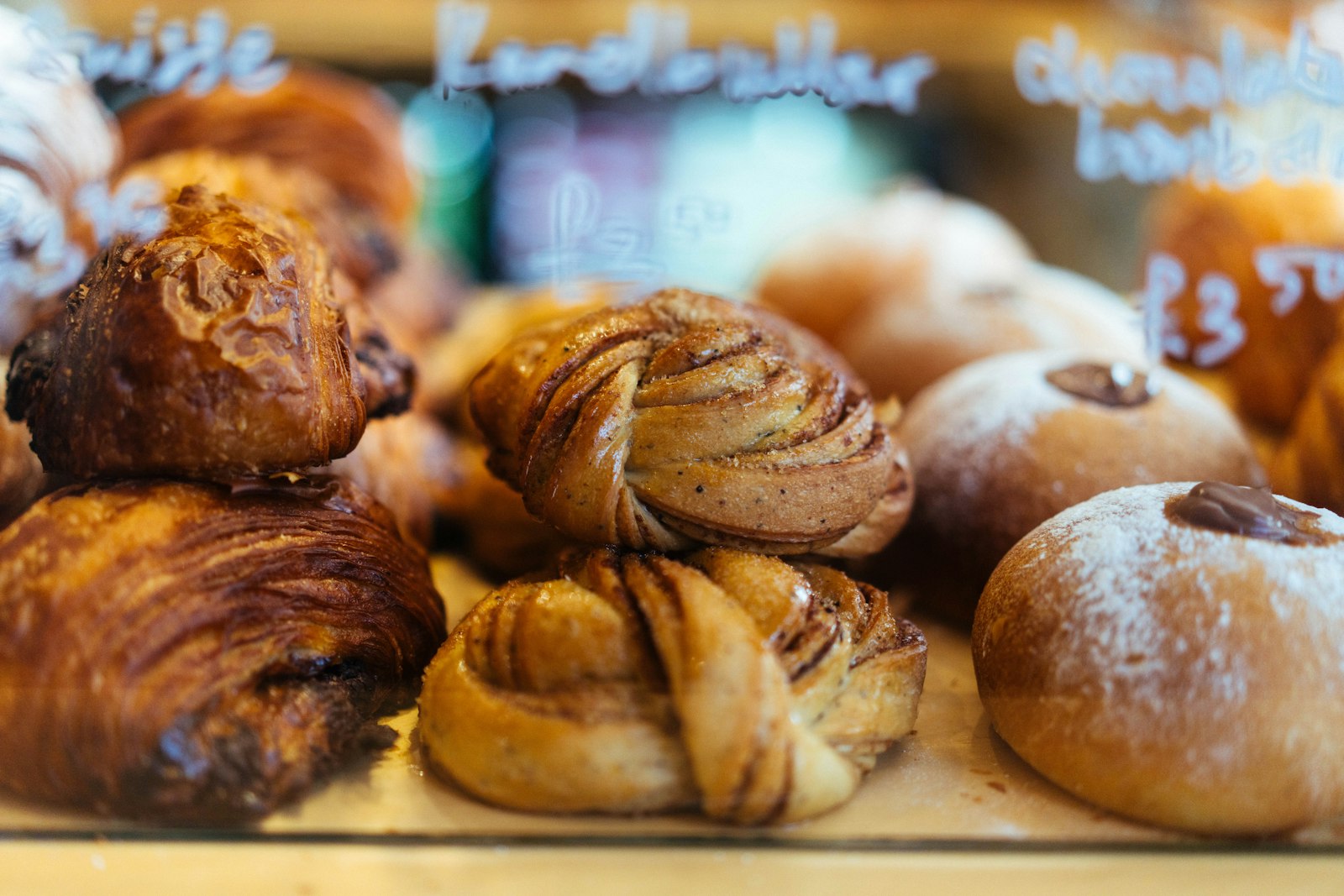
Crispbread (knäckebröd) is on almost every table. Swedish bread is often slightly sweet, which surprises many visitors at first. The coffee break, known as fika, comes with cinnamon buns (kanelbullar), cardamom buns or a slice of prinsesstårta covered in green marzipan. Traditionally, children are allowed sweets on Saturdays, a custom called lördagsgodis. Every supermarket has long pick-and-mix shelves for it.
Meal times and restaurants
- Lunch: Between about 11 am and 2 pm, most restaurants offer a dish of the day (dagens rätt) at a fixed price. Salad, bread, water and coffee are usually included. This is the cheapest way to eat out in Sweden.
- Dinner: Swedes eat early, often between 5 and 7 pm. Eating out in the evening is considerably more expensive than at lunchtime.
- Tipping: Service is included in the price. For good service many guests round up or give around ten percent.
- Tap water: It is drinkable everywhere and served free of charge in restaurants.
- Paying: almost exclusively by card. Some places do not accept cash at all.
Drinks
Swedes are among the biggest coffee drinkers in the world. Most people drink strong filter coffee, and many cafés offer free refills. Drinking milk with meals is common, even among adults, as is lingondricka, a lingonberry drink.
Alcohol is expensive. Low-alcohol beer is sold in supermarkets; anything stronger is available only at the state-owned Systembolaget. Typical drinks are aquavit and herbal schnapps, served with herring and at celebrations. Find out more in our article Alcohol in Sweden.
At the supermarket
Groceries are relatively expensive, especially meat, cheese and alcohol. Fish, seasonal berries and crispbread, on the other hand, are good value. The large chains are usually open on Sundays too. Typical souvenirs include lingonberry jam, caviar spread in a tube, liquorice and, of course, crispbread.
Vegetarian and vegan
Vegetarian and vegan dishes are very common in Sweden. Almost every restaurant has at least one meat-free option, and supermarkets stock a wide range of oat and soy products.
Our FAQ page answers more questions about travelling in Sweden.