Weather and Climate in Sweden
Sweden's climate ranges from temperate in the south to subarctic in the north. An overview of summer and winter temperatures, records, daylight and the best time to travel.
Sweden is known for its breathtaking nature and highly varied landscape. Weather and climate in Sweden vary by region. The north has a subarctic climate, while the south has a temperate climate with a strong maritime influence.
Summer
Summers in Sweden can be very warm, with average highs of 20 to 25 °C (68 to 77 °F) in the south and the centre of the country. On some days temperatures exceed 30 °C (86 °F). The record high is 38 °C (Målilla, 1947). The north is cooler in summer, but that is where you get the midnight sun.
Winter
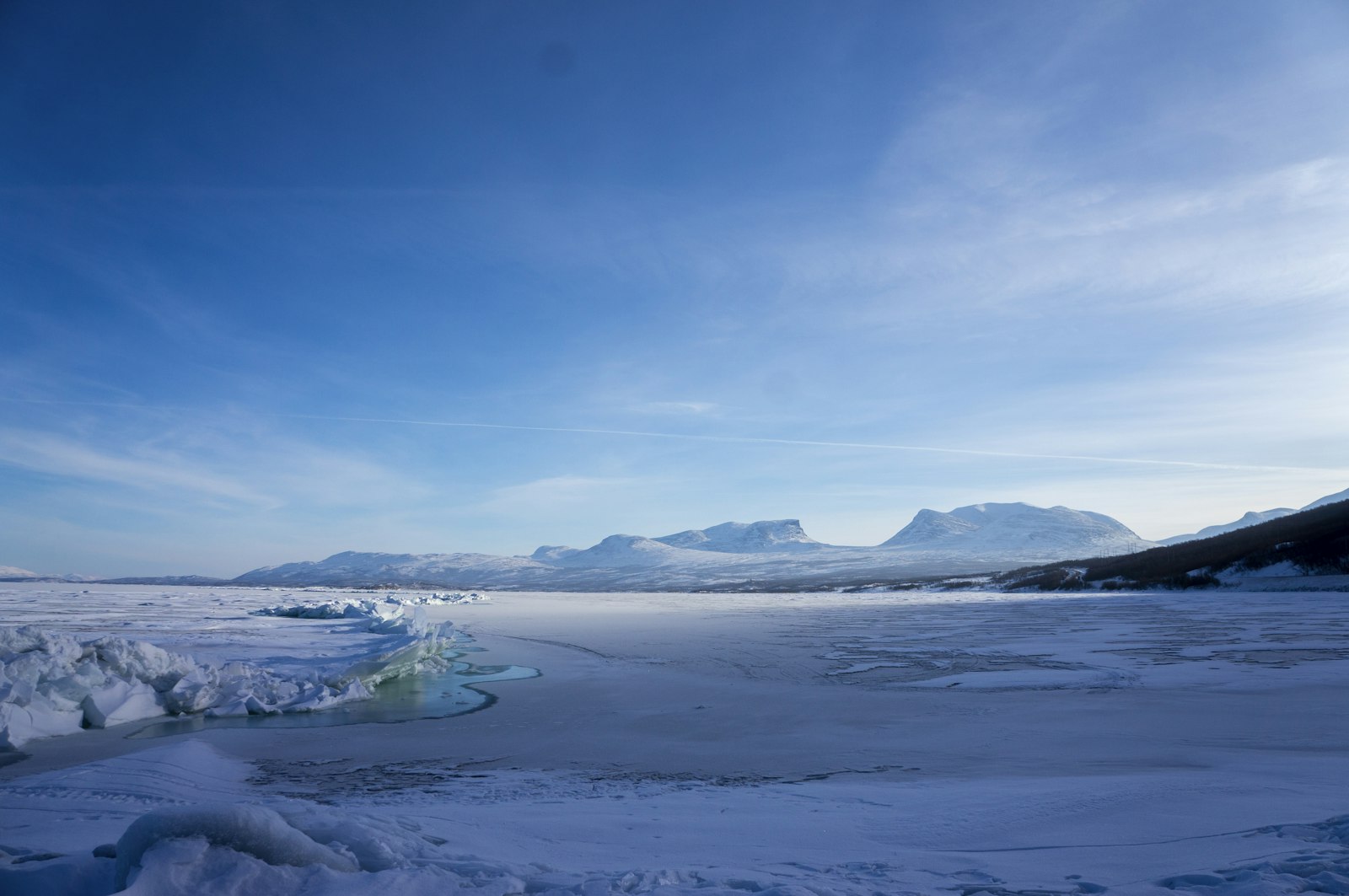
Winters in Sweden are cold. In the south, temperatures often hover around freezing, while in the north -10 °C (14 °F) and colder is not unusual. The record low is -52.6 °C (Vuoggatjålme, 1966). There can be a lot of snow, especially in the northern and central regions of the country.
Daylight
Sweden is also known for its long summer days and short winter days. In summer the north has almost 24 hours of daylight, while in winter the far north gets only a few hours. In the south the difference is smaller.
Best time to travel
The best time to visit Sweden depends on what you want to do. Summer is the best season for outdoor activities such as hiking and canoeing, while winter is perfect for skiing and sledding. Read more on our pages Best Time to Visit Sweden and Northern Lights and Midnight Sun.
For current forecasts, see the Swedish Meteorological and Hydrological Institute: smhi.se.