Icy roads in Sweden: Five traffic deaths in one day – police warn of black ice
After five fatal crashes in a single day, Swedish police are warning of extremely slippery roads. What drivers need to know now about black ice and winter tyres.
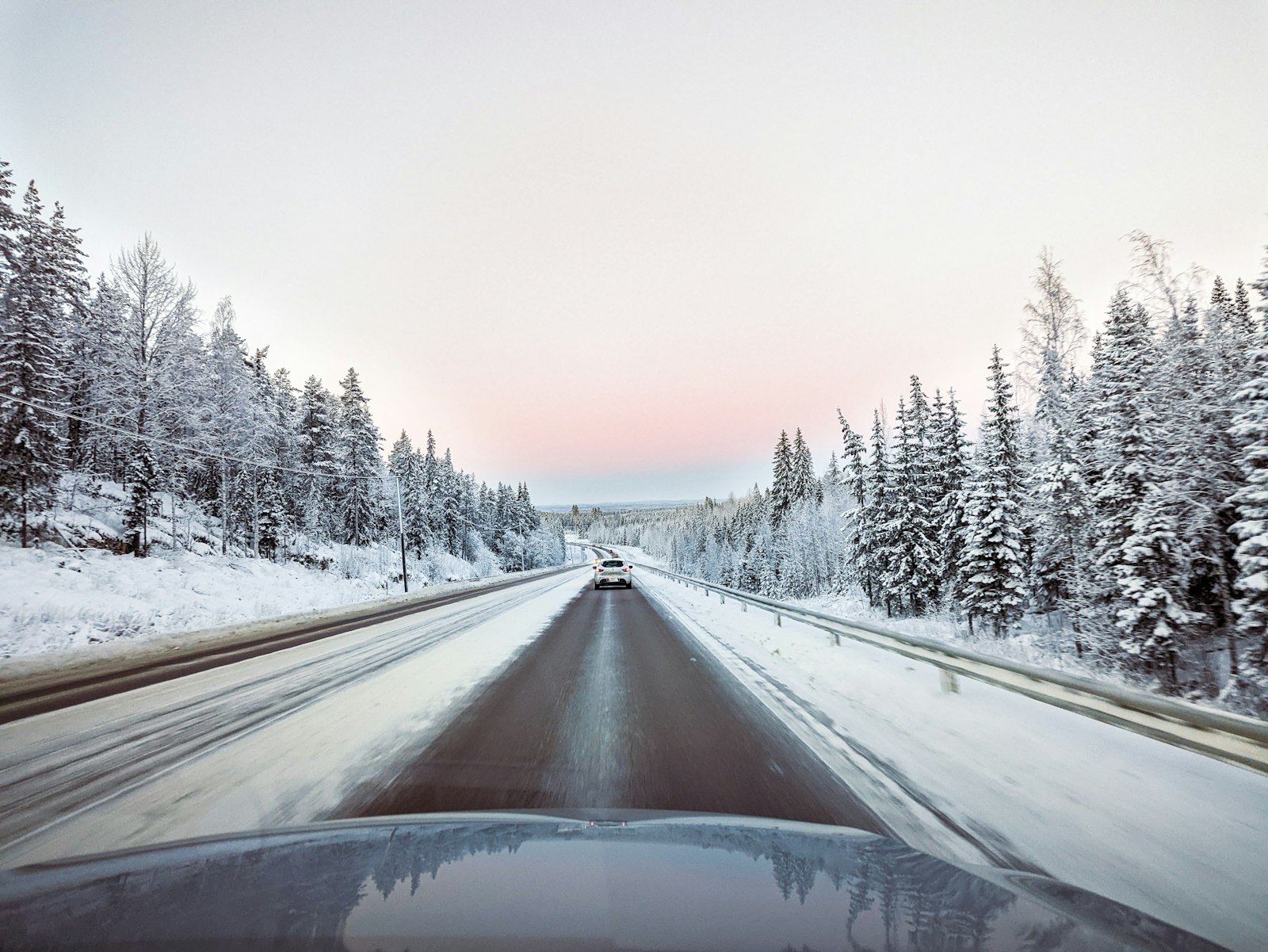
With the first frosty nights of autumn, slippery conditions have returned to Sweden’s roads. After a Monday on which at least five people died in traffic accidents in western Sweden and Skåne, police warned on Tuesday morning of extremely icy roads in several parts of central Sweden.
Five fatal accidents in one day
On Monday 19 October, five people were killed in five separate accidents in Skåne, Halland, Bohuslän and Dalsland, according to SVT and TV4. In the morning, a car and a lorry collided on national road 21 between Åstorp and Kvidinge, killing a woman in her twenties. In Mellerud municipality, a driver in his sixties left the road. In the afternoon, a man in his seventies died after two cars collided on the E6 north of Ängelholm. Near Varberg, a bus and a car crashed head-on and the car driver was killed. On the island of Tjörn, a woman in her sixties died after a head-on collision between two cars.
The causes of the accidents have not yet been established. According to SVT, a police spokesperson said several patrols had reported slippery roads in western Sweden that evening. However, police did not confirm whether the conditions contributed to the crashes.
Ice warning for central Sweden
On Tuesday morning, 20 October, police issued a warning for the counties of Gävleborg, Uppsala and Västmanland. According to TV4, they had received several calls about extremely slippery roads there. Police urged all road users to slow down and keep a greater distance from the vehicle in front. The news agency TT also reported icy conditions in Hälsingland, Gästrikland, Uppland and Västmanland.
The danger of black ice
Particularly treacherous is what Swedes call svarthalka, or black ice. The road looks simply wet but is covered with a thin, barely visible layer of ice. According to the Swedish Transport Administration, Trafikverket, it forms when the road surface is cold and damp at temperatures around freezing, often late in the evening and early in the morning. Bridges, flyovers, roads near water and shaded stretches are especially at risk.
What this means for travellers and people in Sweden
Anyone driving through Sweden in autumn should already expect wintry conditions, even if daytime temperatures are still above zero. In practical terms:
- Check your tyres: In Sweden, winter tyres are mandatory from 1 December to 31 March when winter road conditions apply, including for foreign-registered cars. But ice often arrives as early as October. Anyone still travelling on summer tyres, especially to central and northern Sweden, is taking a risk. Cars must have a tread depth of at least 3 millimetres.
- Plan your driving times: The risk of ice is greatest in the morning and evening. Long stretches can be planned so that you drive in daylight and at higher temperatures where possible.
- Bridges and forest sections: Take particular care on bridges and in shaded bends, even if the rest of the route seems dry.
- Stay informed: Before setting off, it is worth checking Trafikverket’s traffic information and SMHI’s weather warnings.
For more tips on traffic rules, tolls and wildlife on the road, see our guide Driving to Sweden. At the start of the season, in early October, the weather service SMHI had already warned of the first snowfall in central Sweden.