Filling up in Sweden to cost around SEK 3 more from 1 December as the petrol and diesel tax cut ends
Sweden's fuel tax cut ends on 30 November. From 1 December a litre costs around SEK 3 more, and the industry expects queues at petrol stations.
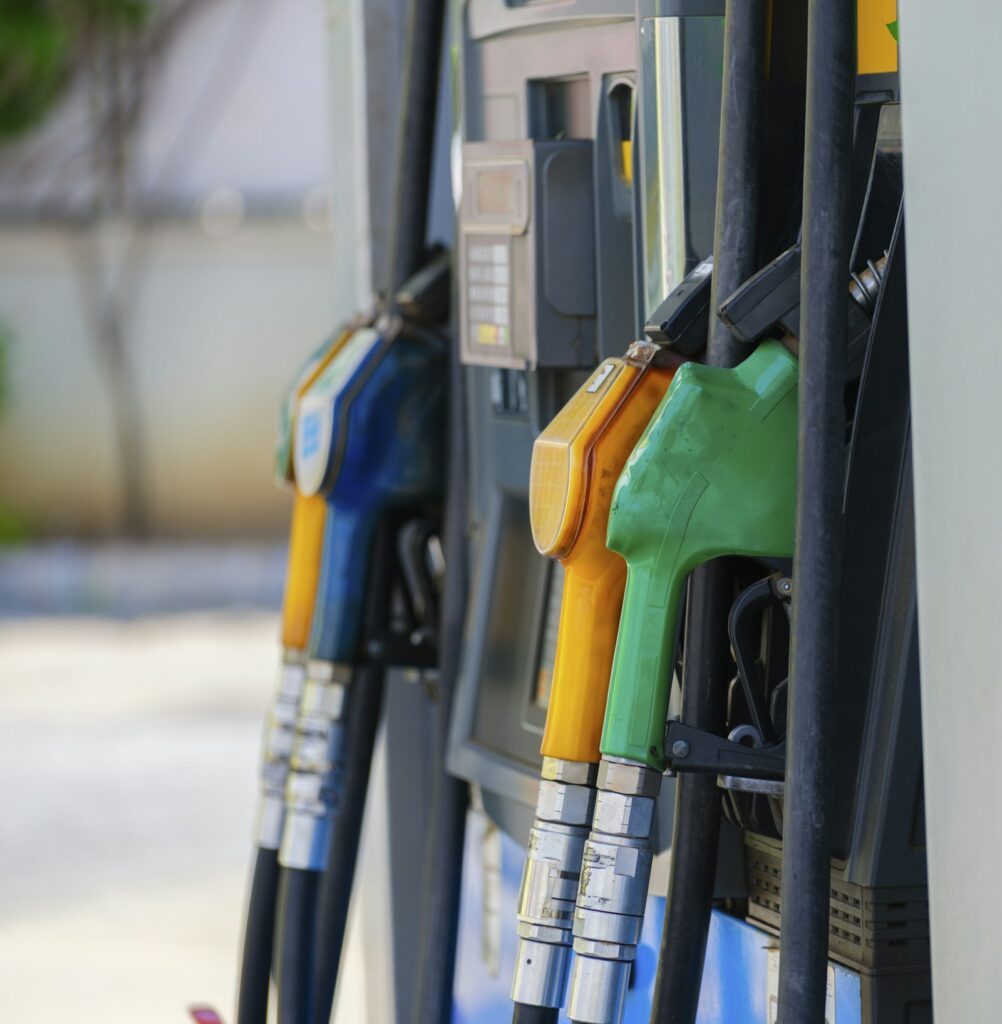
Drivers in Sweden face a noticeable price jump: on Monday 30 November 2026 the temporary cut in carbon dioxide tax on petrol and diesel comes to an end. From Tuesday 1 December the tax will be SEK 2.40 per litre higher – around SEK 3 more at the pump once VAT is included, provided filling stations pass the full increase on. The industry expects a rush in the last days of November.
What changes on 1 December
Since 1 July 2026, Sweden has applied a much lower carbon dioxide tax rate on motor fuel. According to Skatteverket’s tax tables, the total tax on petrol (environmental class 1) stands at SEK 2.39 per litre until 30 November. From 1 December it rises to SEK 4.79, as the carbon dioxide tax climbs from 87 öre back to SEK 3.27 per litre. For diesel, the tax rises in the same step from around SEK 1.56 to around SEK 3.96 per litre.
For a full tank that means a clear extra cost: around SEK 150 for 50 litres and around SEK 180 for 60 litres. A smaller, routine adjustment follows on 1 January 2027: according to Skatteverket, the tax on petrol then rises by a further 10 öre to SEK 4.89 per litre, and on diesel by 8.5 öre.
Background: relief being phased out in stages
The tax cut was a temporary measure against high fuel prices. Part of the relief has already gone: on 1 October the energy tax on petrol rose from 70 öre to SEK 1.52 per litre. At the time, according to the finance site Börskollen, Circle K and OKQ8 raised the price of petrol by SEK 1.60 per litre, although the tax had only risen by about one krona. How much prices actually go up on 1 December therefore also depends on oil prices, the exchange rate and the chains’ pricing.
No extension of the cut has been decided. Sweden currently has only a caretaker government, and the transition budget for 2027 contains, as a rule, no new policy. Read more in our report on the caretaker budget for 2027.
Industry warns of queues at the pumps
Anna Törner, head of the industry body Drivkraft Sverige, expects demand for petrol and diesel to rise “very probably sharply” before the increase, especially in the final days of November. According to the organisation, the concern is not a national shortage: the large depots are well stocked. But because only a limited number of tanker lorries are available, individual stations – particularly in rural areas – could temporarily run dry.
The Swedish Energy Agency, Energimyndigheten, sees no need for rationing but does not rule out brief interruptions at individual stations. OKQ8 has increased its stocks, according to the local newspaper Mitt i. Circle K also expects higher demand but says it cannot judge how large the increase will be at any single station.
Denmark is going the other way
For commuters in the Øresund region it is worth watching both sides of the strait: the Danish government plans to cut the duty on petrol and diesel by DKK 2 per litre including VAT from 1 December 2026 until the end of 2027. The two bills were introduced in the Folketing on 18 November, with the final vote scheduled for 26 November. The Danish cut has therefore not yet been adopted.
What this means for travellers and people in Sweden
- Fill up by 30 November – but don’t panic: If you need to refuel anyway, you save up to around SEK 3 per litre before the deadline. Expect queues on the last weekend of November and on 30 November itself; filling up a few days earlier is more relaxed.
- Plan ahead in rural areas: If you are driving through sparsely populated regions at the end of November, don’t wait until your tank is nearly empty, as individual stations could briefly sell out.
- Adjust your travel budget: For anyone on a driving holiday in December, for example heading to the ski resorts, every tankful will be noticeably more expensive.
- Cross-border commuters between Denmark and Sweden: If the Danish cut takes effect as planned, the price gap between the two countries will shift. Whether it is cheaper to refuel in Sweden or Denmark depends on current pump prices, so it pays to compare before you travel. For routes across the border, see our guide Getting to Sweden: ferry, bridge, train and plane.