Ice Skating on Natural Ice in Sweden: Season, Tracks and Safety
What you need to know about skating on natural ice in Sweden: the season, popular ice tracks, minimum ice thickness, safety kit and what to do in an emergency.
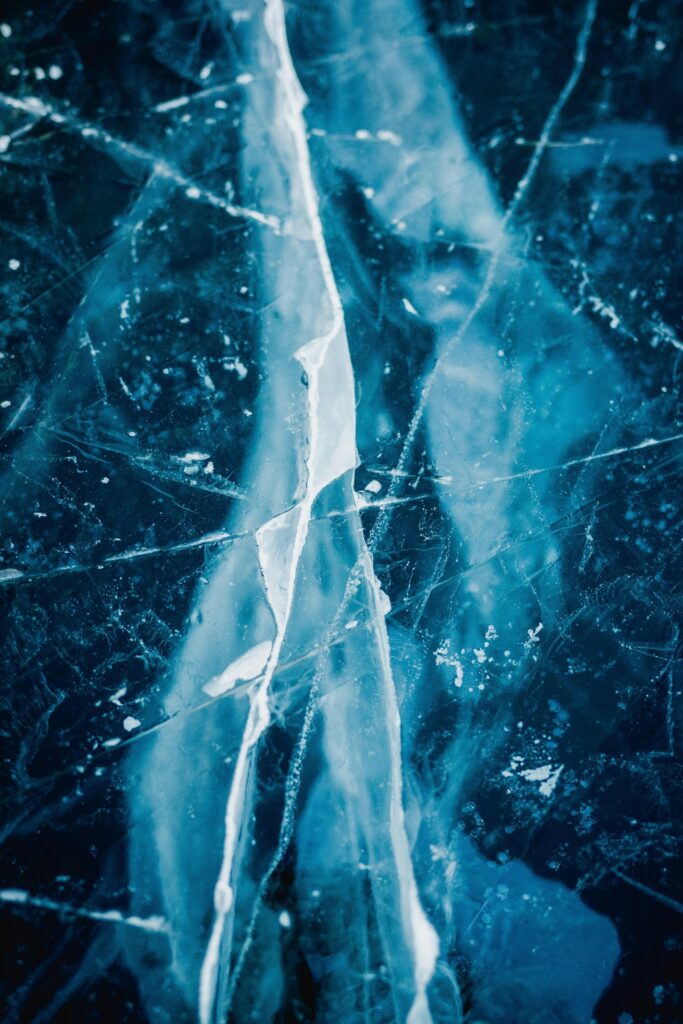
When black, mirror-smooth ice forms on Sweden’s lakes, many Swedes get out their långfärdsskridskor and skate for miles across frozen lakes and bays. This guide explains when the season starts, where to find prepared ice tracks, which equipment you need and what to do if the ice breaks.
Last updated: November 2026
Key facts at a glance
- Depending on the region, the natural ice season runs roughly from mid-November to the end of March. In the mountains it freezes earlier; around Stockholm skating usually starts only from mid to late January.
- Sweden’s ice safety organisations give 10 cm of clear core ice (kärnis) as the minimum thickness. Snow, currents, salt water and spring sunshine all weaken the ice.
- Never go out on the ice alone. Always carry ice claws (isdubbar) and a phone in waterproof packaging; away from prepared tracks you also need an ice pick, a rescue line and a buoyancy aid.
- Many municipalities clear tracks on lakes, for example in Luleå, Östersund, near Falun (Runn) and in Stockholm. You use them at your own risk.
- For beginners a guided tour is the safest choice: guides pick the best ice of the day and know where the danger spots are.
- In an emergency, call 112 in Sweden.
What is långfärdsskridsko?
Långfärdsskridsko literally means “long-distance skate”. It refers to tour skating or wild skating on natural ice, known internationally as Nordic skating. Unlike at an indoor rink, you don’t skate in circles but cover longer distances across lakes, rivers and sometimes sea bays. The skates have much longer blades than ice hockey or figure skates, which makes them stable and fast but takes a little getting used to.
Sweden offers good conditions for it: almost 100,000 lakes, archipelagos and winters cold enough for ice that bears weight. What matters, though, is that not too much snow falls soon after the lakes freeze. That is why natural ice is different every year, and good days can usually only be planned at short notice.
When is the season?
According to Visit Sweden, the season runs roughly from mid-November to the end of March, depending on the part of the country. November is often a particularly good time, because the fresh ice is less often covered by snow.
The north and the mountains
Around Åre, shallow lakes such as Ånnsjön, Ottsjön and Gevsjön freeze as early as late autumn. Small mountain tarns at higher altitudes are often skateable even earlier. The season there is usually short, as snow soon covers the ice.
Central Sweden and Stockholm
In the Stockholm area, the natural ice season normally begins in mid to late January, according to Visit Stockholm, or earlier after an unusually cold December. For the Hellasgården recreation area, Visit Sweden gives late January as the typical start.
Spring
In March the ice becomes treacherous. After a cold night it feels solid, but according to the Swedish Ice Safety Council (Issäkerhetsrådet) it can lose much of its strength in sunshine and warmth, sometimes within 15 to 20 minutes. It often weakens first near the shore, which can make getting back to land difficult.
The best-known natural ice spots
Prepared, i.e. cleared, tracks are the easiest way to start. Their length always depends on the current ice.
- Luleå (Norrbotten): From December to March or April there is an ice track, usually around 10 km long, from the North Harbour via the South Harbour to the island of Gråsjälören, with benches and fireplaces.
- Tavelsjön near Umeå: About 25 km from Umeå there is a track of around 10 km with two loops. Skates can be rented there.
- Storsjön in Östersund: The “Medvinden” network consists of several kilometres of cleared natural ice tracks, also popular for walks and kick sleds.
- Runn near Falun (Dalarna): Probably Sweden’s best-known skating lake has up to 50 km of prepared tracks with loops, according to Visit Sweden. A webcam shows the current conditions.
- Väsman near Ludvika: a track of around 19 km between the marinas of Ludvika and Dröverka.
- Uppsala: weather permitting, a track on Lake Trehörningen in the Fjällnora recreation area and a route of about 15 km in the Hammarskog area.
- Stockholm: When the ice is thick enough, the city clears tracks on several lakes, the closest to the centre being Trekanten in Liljeholmen, and further south Drevviken, Magelungen and Långsjön.
- Gnesta (Sörmland): a waterway of around 39 km connecting the lakes Visnaren and Sillen.
On large lakes such as Vänern there is no prepared track. Because of its size the ice thickens more slowly there and there are more dangerous spots. Without local knowledge you should only skate on such waters with a guide.
Rinks in the cities
If you just want to try it once, a city rink is a good choice. In Stockholm the most popular outdoor rinks are in Kungsträdgården and Vasaparken, and you can rent skates in Kungsträdgården. Artificial rinks can sometimes be open even when it is not very cold, and you do not need safety equipment there.
How thick does the ice need to be?
The rule of thumb from the Swedish Ice Safety Council, a partnership led by the Swedish Life Saving Society (Svenska Livräddningssällskapet), is that core ice must be at least 10 cm thick. Core ice is the clear ice formed during sustained frost, which often looks dark on a lake. Freshly formed core ice, however, can have many weak spots that are hard to see.
The City of Stockholm shows how cautious even professionals are: it only drives on its lake tracks with light machines once there is about 15 cm of good core ice, and clears them with heavier vehicles from 20 cm. The city does not publish ice thickness, because it varies from place to place and from day to day.
Typical weak spots
- Stream inlets and outlets, straits, shallows and headlands, where currents bring warmer water to the surface
- Reeds, jetties and bridges, as well as places where waste water flows in
- “Wind holes” (vindbrunnar): areas that stayed open for a long time and froze over only late
- Ice under snow: snow insulates, so the ice beneath snowdrifts can be thinner
- Sea ice in the archipelago: salt-water ice is always weaker than lake ice and gives hardly any audible warning
The right equipment
In Sweden the guiding principle is “Kunskap, Utrustning, Sällskap”: knowledge, equipment and company. The ice safety organisations recommend the following:
- Always: ice claws (isdubbar) and a phone in a waterproof case so you can call 112.
- Away from prepared tracks, also: an ice pick (ispik) to test the ice, a rescue line and a buoyancy aid.
- Buoyancy aid: a proven option is a rucksack with hip belt and crotch strap containing spare clothes packed in a waterproof bag. Alternatives are a life jacket or a flotation suit.
- Children should always wear a life jacket.
- Protection in falls: a helmet, knee pads and gloves reduce injuries.
If the ice breaks
If you fall through yourself
- Turn back towards where you came from. The ice held there.
- Stay calm. You have several minutes before the cold limits your ability to act.
- Take out your ice claws, keep your gloves on and pull yourself onto solid ice with your elbows close to your body.
- Crawl well onto ice that bears your weight before you stand up.
- If help is on the way, lie still to save strength and warmth.
If someone else falls through
Call 112 as early as possible. Approach from the same direction the person came from, and always keep something between you and them, such as a line, an ice pick or a branch. If the person is conscious and their face is above water, there is time to plan the rescue properly. A second person in the water helps nobody.
Practical tips for your outing
- Never skate alone, and keep at least 10 metres behind the person in front so that several people do not fall through at the same time.
- Tell someone where you are going and when you plan to be back.
- Slow down on uncertain ice. The faster you go, the further you glide onto weak ice before it breaks.
- Do not leave prepared tracks. If the ice cracks or moves, turn back immediately.
- Before you go, check the information for the track, such as webcams, municipal websites or the tracks’ Facebook pages.
- Bring hot drinks and a small fika. Breaks on the ice are part of the experience in Sweden.
- If you want to skate regularly, consider joining a långfärdsskridsko club. Clubs often share information about current ice conditions.
Guided tours and rentals
In and around Stockholm, operators including Green Trails, Stockholm Adventures, Lake Life and True Nature offer guided tours on Nordic skates, also for beginners. There are providers in other regions too, for example on Lake Vänern or in the Malingsbo-Kloten nature reserve. Skates can be rented, for example, at Tavelsjön, at Fjällsport in Duved near Åre and on the island of Björnön near Västerås, where courses are also offered. Prices and what is included vary widely. Ask before booking whether safety equipment and transport are included, and allow for back-up days, as tours only take place when the ice is suitable.
If you are planning a winter holiday anyway, skating combines well with skiing, dog sledding or the northern lights. You will find ideas in our guide Winter holidays in Sweden. What temperatures to expect in the different regions is covered in Weather and climate in Sweden. What is generally allowed in Swedish nature is explained in our guide to the Right of Public Access.
Frequently asked questions
Who checks whether the ice is safe?
On open lakes, nobody but you. Even on the City of Stockholm’s cleared tracks you skate expressly at your own risk, and the city does not give ice thicknesses. Test the ice with an ice pick and, if in doubt, ask locals or a guide.
Can I use ordinary skates on natural ice?
On short, cleared tracks, yes. For longer tours, Nordic skates with longer blades are much better suited. If you don’t have your own, you can rent them or will usually be provided with them on guided tours.
When is the best time for a skating holiday?
That is hard to predict far in advance. In the mountains the chances are good in late autumn and early winter; in the Stockholm area usually from mid to late January. Book flexibly and keep an eye on ice reports shortly before your trip.
What is the emergency number in Sweden?
112, for ambulance, fire brigade and police. You can read more about medical care in our guide The healthcare system in Sweden.
Sources
- Issäkerhetsrådet: Isvett
- Issäkerhetsrådet: Skridskoåkning
- Issäkerhetsrådet: Om isen brister
- Visit Sweden: Ice skating in Sweden
- Stockholms stad: Hitta sjöisbanor
For more tips, see our Sweden guides.